T.J. Wilcox

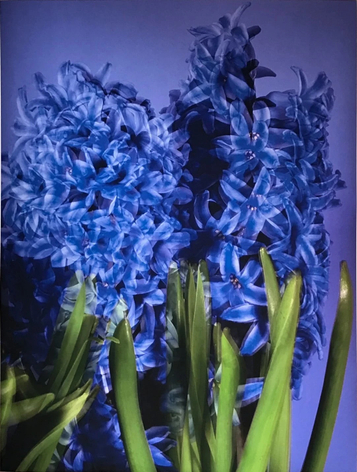
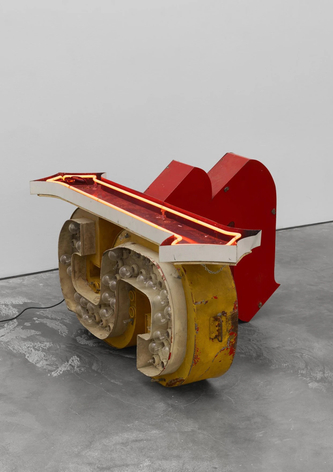
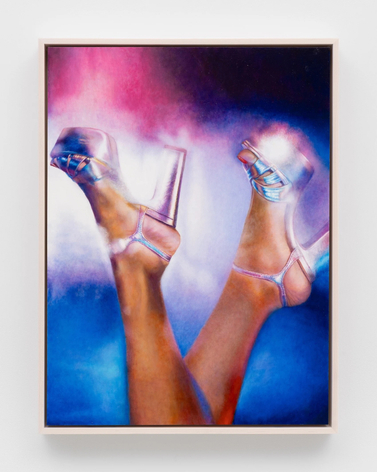
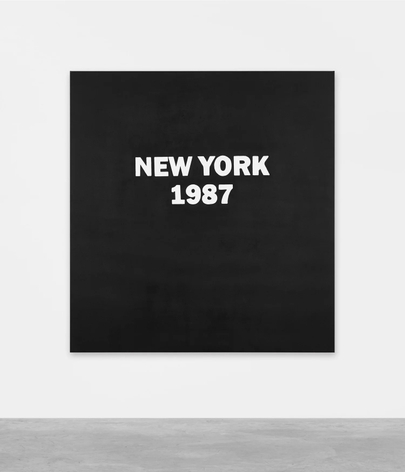
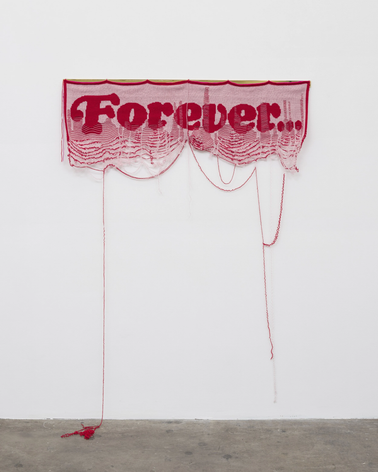
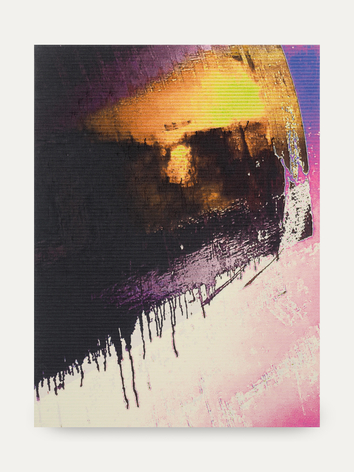
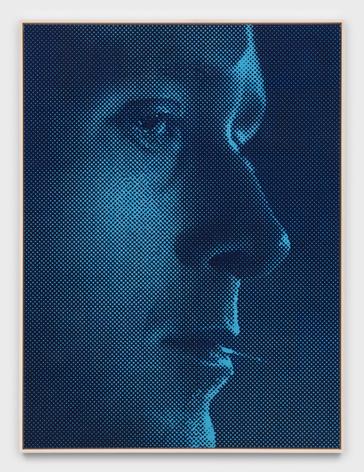
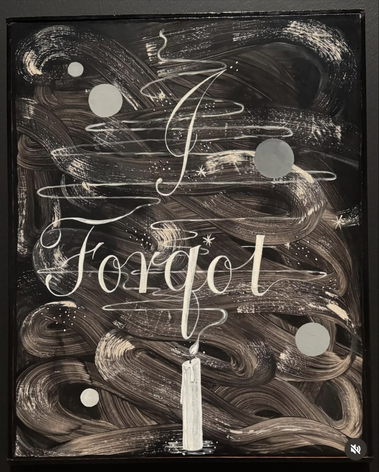
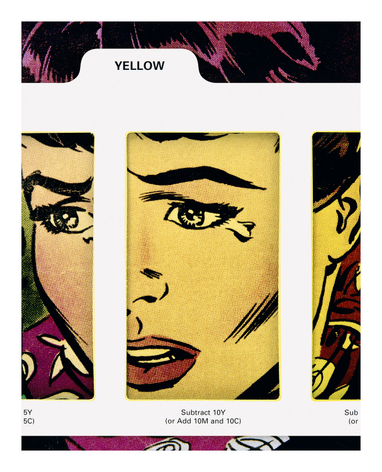
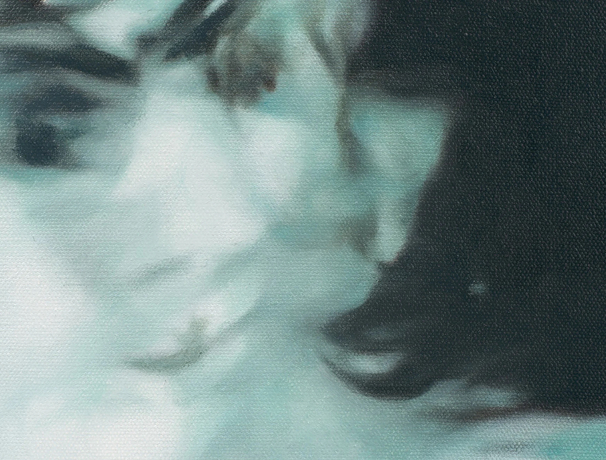
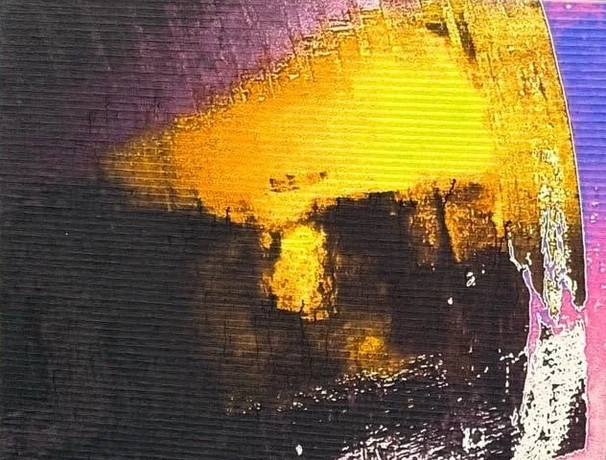
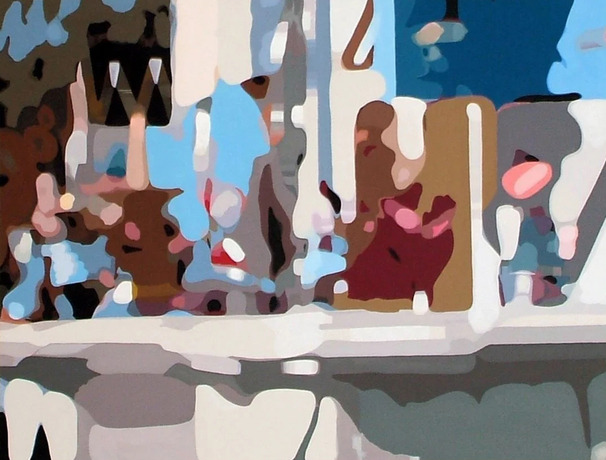
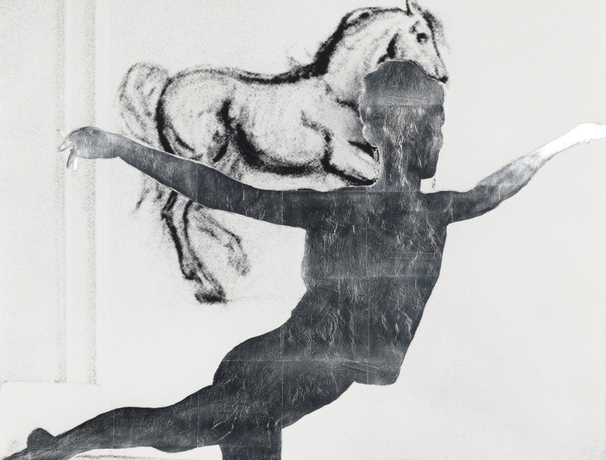
Participating artists include Lita Albuquerque, José Alvarez, Lisa Anne Auerbach, Judie Bamber, Andrew Brischler, Tom Burr, Jessica Cannon, Anne Collier, Judith Eisler, Wade Guyton, Mike Kelley, François-Xavier & Claude Lalanne, Simone Leigh, Nancy Lorenz, Peter McGough, Marilyn Minter, Maynard Monrow, Jorge Pardo, Jack Pierson, Stephen Prina, Alexis Teplin, Betty Tompkins, Pae White, T.J. Wilcox, and Rob Wynne, among others.
GAVLAK presents Forever, an exhibition co-curated by founder Sarah Gavlak and artist T.J. Wilcox, celebrating the gallery’s twentieth anniversary. Founded in 2005 in Palm Beach, GAVLAK has long been committed to providing a curatorial platform for women, BIPOC, and LGBTQ+ artists, often introducing underrecognized voices to new audiences. Bringing together painting, sculpture, photography, drawing, and mixed media, Forever reflects the gallery’s enduring belief in artistic community—assembling a constellation of artists whose practices have shaped the curators’ thinking across creative, conceptual, and personal spheres.
The exhibition traces its roots to Southern California, where Gavlak and Wilcox met in the mid-1990s while pursuing graduate studies at ArtCenter College of Design in Pasadena. Their time there coincided with a vibrant artistic moment defined by experimentation, mentorship, and interdisciplinary dialogue. Central to this formative environment were artists and educators Mike Kelley and Stephen Prina, whose influence resonates throughout the exhibition. Both figures challenged conventional hierarchies between high and low culture while foregrounding the generative role of pedagogy, shaping a lineage of critical inquiry that continues to inform Gavlak and Wilcox’s curatorial approach.
This spirit of California community extends through the work of artists whose relationships with the curators emerged during this same period. Practices by Pae White, Alexis Teplin, Judie Bamber, Jorge Pardo, and Lisa Anne Auerbach exemplify a generation that embraced material experimentation and interdisciplinary thinking, often moving fluidly between art, design, and architecture. Their works reflect the collaborative networks that formed in classrooms, studios, and exhibitions—connections that continue to shape contemporary artistic discourse.
Photography and lens-based practices also occupy a key role within the exhibition, reflecting the curators’ shared interest in image-making as a site of cultural reflection. Emerging from the fertile cultural landscape of California in the 1990s—a moment when Los Angeles was asserting itself as a major artistic center while expanding the critical conversations around images initiated by New York’s Pictures Generation—artists in this milieu approached photography as both subject and structure. Works by T.J. Wilcox and Anne Collier engage the photographic medium as a site of inquiry, interrogating the ways images circulate through popular culture, memory, and art history. Through strategies of appropriation, framing, and cinematic reference, these artists reveal photography’s capacity to function simultaneously as document, object, and cultural artifact.
A longstanding commitment to feminist discourse also runs throughout the exhibition. For decades, GAVLAK has championed artists who challenge entrenched systems of representation within a historically male-dominated art world. Rooted in the legacies of first- and second-wave feminism—movements that reshaped cultural conversations around gender, sexuality, and authorship—artists such as Marilyn Minter and Betty Tompkins confront the politics of looking and the commodification of the body. Emerging in the 1970s, their practices reclaimed imagery historically coded as taboo or obscene, transforming it into a site of agency and critique. Their work resonates with broader feminist strategies present throughout the exhibition, where material experimentation, bodily autonomy, and narrative resistance become tools for reshaping visibility.
Queer perspectives likewise play a central role in Forever, reflecting both the curators’ long-standing engagement with LGBTQ+ communities and the gallery’s commitment to amplifying these voices. Many of the artists included here emerged in the cultural landscape shaped by the AIDS crisis and its aftermath—a period that profoundly transformed artistic approaches to intimacy, loss, and collective memory. Artists including Jack Pierson, Dean Sameshima, Rob Wynne, and Andrew Brischler approach identity and language through distinct formal strategies, ranging from poetic text and photography to painting and sculptural interventions. Across their practices, queerness emerges not only as subject matter but as a generative position through which intimacy, memory, and cultural codes are reimagined.
The exhibition also turns toward artists whose work explores the spiritual and the ethereal, foregrounding art’s capacity to evoke transcendence and contemplation. Echoing the legacy of California’s Light and Space movement, which explored perception, atmosphere, and the immaterial qualities of light, artists such as Nancy Lorenz, Lita Albuquerque, José Alvarez D.O.P.A., and Jessica Cannon engage material and luminosity as vehicles for reflection and transformation. Through reflective surfaces, expansive color fields, and atmospheric compositions, these practices move fluidly between the physical and the metaphysical—inviting viewers to consider the spiritual dimensions embedded within contemporary artistic experience.
Rather than presenting a chronological survey, Forever emphasizes resonance—highlighting the aesthetic affinities, shared histories, and intellectual dialogues that connect these artists across generations and geographies. In doing so, the exhibition reflects the collaborative ethos that has defined GAVLAK’s program over the past two decades.
Coinciding with the 2026 edition of New Wave Art Wknd (March 6–8), Forever situates GAVLAK’s anniversary within a broader moment of cultural energy in West Palm Beach. Together, the exhibition and citywide programming underscore the power of sustained artistic dialogue and community-building—values that have remained central to the gallery’s mission since its founding.